Skull on Snail Cottagecore Aesthetic
A First Glance: Mood, Style, and Purpose
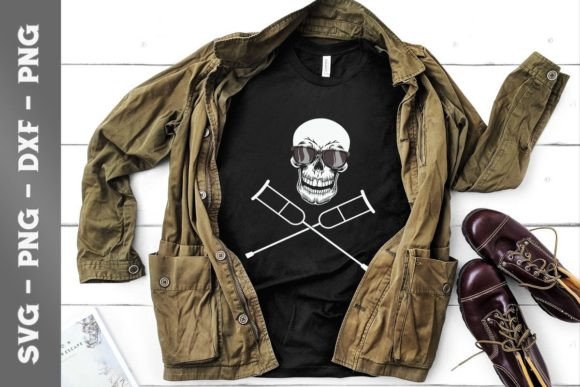
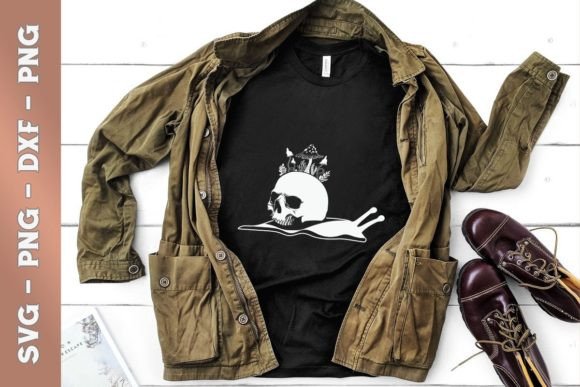
The Skull on Snail Cottagecore Aesthetic immediately evokes a whimsical yet slightly mysterious vibe. The juxtaposition of a skull with a snail creates an unexpected harmony that feels both charming and a bit eerie—perfect for those who enjoy the subtle contrast of dark and light, decay and growth. The cottagecore theme is evident in the soft, pastel tones and intricate details, which suggest a handcrafted, almost nostalgic aesthetic.
This design isn’t just about the imagery—it’s about the mood it sets. It feels like something you’d find on a vintage embroidery hoop, or perhaps as a decorative element on a handmade quilt. The level of detail suggests it was created with care, but not overcomplicated. As a designer, I can see its potential for a variety of projects, from personalized gifts to boutique branding.
Real-Life Use Case: Custom Embroidered Tote Bag
Imagine preparing a custom embroidered tote bag for a small shop product line. The Skull on Snail Cottagecore Aesthetic would sit nicely on the front panel, adding character without overwhelming the overall design. It’s not too bold, but it still makes a statement. The placement would need to be considered carefully, especially if the tote has a curved shape or a textured fabric base.
In this scenario, the design would work well as a standalone feature. It could also serve as a subtle accent in a larger pattern. However, I’d recommend testing the design on scrap fabric first to ensure it holds up under real stitching conditions. The file formats included—SVG, PNG, DXF, and EPS—offer versatility, but their performance in embroidery machines depends on stitch density and machine compatibility.
Embroidery Performance: What Works, What Needs Attention
The Skull on Snail Cottagecore Aesthetic performs reasonably well in most embroidery scenarios, but there are areas where it might require extra care. For instance, the detailed corners and intricate textures could pose challenges when working with thin or stretchy fabrics. These elements may cause the design to distort or lose clarity, especially if the stabilizer isn’t used properly.
Dark fabrics can also affect the visibility of the design. While the pastel palette is visually appealing, it may not show up clearly on darker backgrounds. Testing the design in black and white mockups before committing to a project is a smart move. Similarly, the fine details and tiny lettering might be difficult to see on a finished product, especially if the thread color doesn’t contrast well with the fabric.
For products that require frequent washing, such as baby clothes or kitchen towels, the design should be tested thoroughly. The durability of the stitches and the stability of the fabric will determine how well the design holds up over time. Proper stabilizer use and careful stitching are essential in these cases.
Design Impact: Visual Appeal, Value, and Trust
The visual appeal of the Skull on Snail Cottagecore Aesthetic is undeniable. It adds a unique touch to any project, making it stand out in a crowded market. From a customer perspective, this design could resonate with those who appreciate the cottagecore trend and enjoy quirky, handcrafted items.
However, the design’s value is closely tied to its execution. If the stitching is uneven or the details are too dense, it could reduce the perceived quality of the finished product. This affects customer trust and brand consistency, especially for Etsy sellers and small business owners who rely on reputation.
As a handmade product, the Skull on Snail Cottagecore Aesthetic has the potential to be a standout item. It could be used as a personalized gift, a custom apparel piece, or even a decorative patch. But it’s important to consider how it fits into the broader context of the product. Does it complement the rest of the design? Does it add enough interest without being distracting?
Practical Design Notes for Embroidery Professionals
Before using the Skull on Snail Cottagecore Aesthetic in a real project, I recommend a few key steps:
- Test on Scrap Fabric: Always check how the design looks and performs on a sample before committing to a full project.
- Check Thread Color Contrast: Ensure the thread colors provide enough contrast against the fabric background.
- Review Stitch Density: Adjust the stitch settings to maintain clarity and prevent overcrowding.
- Confirm Hoop Size: Make sure the design fits within your machine’s hoop size to avoid distortion.
- Inspect Small Details: Look for any potential issues with tiny lettering or intricate patterns.
- Use Proper Stabilizer: Especially for stretchy or textured fabrics, a good stabilizer can make all the difference.
- Test in Black and White Mockups: This helps identify any hidden flaws or inconsistencies.
- Compare Light and Dark Backgrounds: Ensure the design works across different fabric types.
- Check Licensing Terms: If you plan to sell finished items or digital products, confirm the licensing terms before proceeding.
These practical considerations help ensure the design translates well from digital to physical, maintaining both quality and professionalism.
Final Thoughts: A Versatile Design with Potential
The Skull on Snail Cottagecore Aesthetic is a versatile design that offers a unique blend of charm and detail. Its cottagecore theme and whimsical imagery make it suitable for a wide range of embroidery projects, from custom apparel to holiday gifts. However, it requires careful consideration when working with specific materials and techniques.
As a professional designer, I would recommend using this design for small shop products, boutique branding, and personalized gifts. With the right approach and attention to detail, it can become a valuable asset in your creative toolkit. Just remember to test, adjust, and adapt—because the best embroidery designs are those that look great on the finished product.