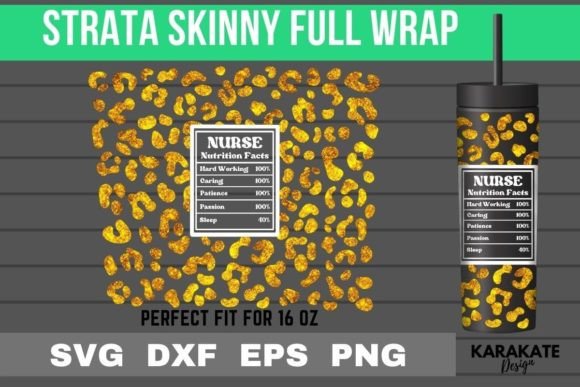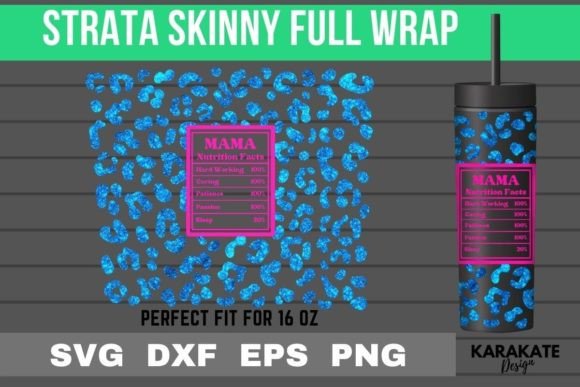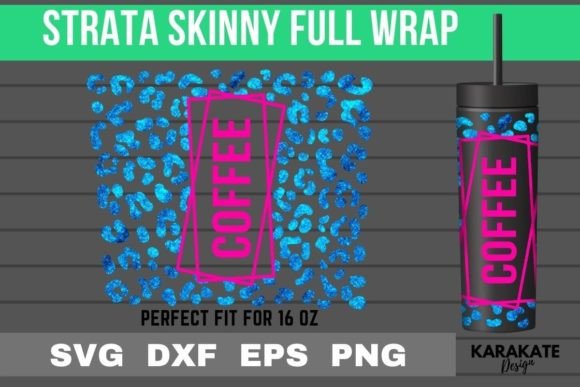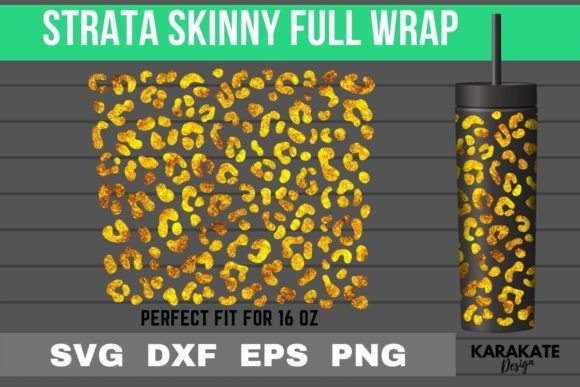
Simple Leopard
A Design for the Modern Embroiderer
As a designer who’s spent years stitching and selling embroidery projects, I’m always on the lookout for designs that balance simplicity with visual impact. Simple Leopard, 16 Oz Strata Skinny Wrap is one such design that caught my eye. It’s not just another leopard print; it’s a carefully crafted machine embroidery file that feels both versatile and purposeful.
The First Impression
At first glance, Simple Leopard delivers a clean, modern aesthetic that’s immediately recognizable. The leopard pattern is rendered in a way that avoids overwhelming details while still maintaining a strong visual identity. The lines are sharp, the shapes are well-defined, and the overall layout feels intentional rather than haphazard.
This design has a certain mood—confident, sleek, and slightly edgy. It’s the kind of motif that would work well on a custom apparel project or a boutique product that needs to stand out without being too flashy. The transparent background makes it easy to layer with other graphics or apply to different fabric types without worrying about unwanted elements bleeding through.
Real-Life Use Case: Custom Tote Bag Design
Let’s imagine a scenario where I’m preparing a custom tote bag for a client. The client wants something bold but not too busy. Simple Leopard fits perfectly here. When stitched onto a light-colored canvas, the design adds a touch of sophistication without overpowering the base fabric.
I’d start by testing the design on a scrap piece of fabric to ensure stitch density and alignment are consistent. The SVG and DXF files provided are high resolution and should translate well into various formats. However, I’d also check the stitch count and thread color contrast to make sure the final result looks sharp and professional.
Performance in Real Projects
Simple Leopard performs well across a range of applications. Whether it’s a sweatshirt embroidery, an embroidered patch, or a holiday gift, the design maintains its clarity and appeal. It works particularly well on medium to heavy fabrics like denim or canvas, which provide a solid base for intricate patterns.
However, there are situations where caution is needed. On thin or stretchy fabrics, the design might lose some definition due to the fabric’s texture. In such cases, using a proper stabilizer becomes essential. Similarly, dark fabrics can make the design appear muted, so testing the design in black and white mockups before committing to a project is a good practice.
Where to Use Carefully
While Simple Leopard is a great all-rounder, it’s not without limitations. On small hoop sizes, the design may become compressed, leading to loss of detail. This could be problematic for items like caps or patches, where precision is key. Additionally, dense stitch areas might cause tension issues, especially on curved surfaces like hats or aprons.
For products that require frequent washing, like baby clothes or kitchen towels, the durability of the design matters. While the file itself is high quality, the final outcome depends heavily on the stitching technique and materials used. As a designer, I’d recommend confirming the design’s suitability for commercial use and checking licensing terms if planning to sell finished products.
Design Impact and Professional Value
The visual appeal of Simple Leopard is undeniable. Its clean lines and balanced composition make it ideal for handmade products that need to look polished and professional. Whether it’s a personalized gift or a boutique-branded item, the design adds value without sacrificing quality.
From a customer trust perspective, a well-executed design like this can significantly enhance the perceived value of a handmade product. It shows attention to detail and a commitment to quality—both of which are important for craft businesses and Etsy sellers looking to build a loyal customer base.
Practical Designer Notes
- Test on scrap fabric: Always test the design before applying it to a final product. This helps catch any potential issues with stitch density or alignment.
- Check thread color contrast: Ensure the chosen thread color complements the fabric and enhances the design’s visibility.
- Review stitch density: High-density areas can affect the design’s clarity and durability, especially on delicate fabrics.
- Confirm hoop size: A mismatched hoop can distort the design, leading to uneven stitching.
- Inspect small details: Pay close attention to corners and edges, as these can often be overlooked but are crucial for the design’s integrity.
- Use proper stabilizer: Especially on stretchy or textured fabrics, a stabilizer can prevent puckering and improve stitch quality.
- Test in black and white: This helps identify any hidden flaws or inconsistencies in the design.
- Compare light and dark backgrounds: A design that looks great on light fabric may not translate well to darker surfaces.
- Check licensing: If you plan to sell finished products, confirm whether the design is licensed for commercial use.
Final Thoughts
Simple Leopard is a design that offers both practicality and style. It’s a great choice for designers and crafters looking for a reliable, versatile embroidery file that can be used across a wide range of projects. Whether you’re creating custom apparel, holiday gifts, or boutique merchandise, this design has the potential to elevate your handmade products and impress your customers.