Butterfly Wave
A First Impression That Speaks Volumes
The moment I opened the Butterfly Wave embroidery design, I was struck by its elegant simplicity. It’s not a design that shouts for attention, but one that invites you to look closer. The butterfly is rendered with a flowing, wave-like pattern that suggests movement and grace. This makes it ideal for projects where subtlety meets sophistication.
The Design's Visual Personality
The Butterfly Wave carries a soft, organic feel. Its curves are smooth and deliberate, creating a sense of flow that feels natural on fabric. The layout is balanced, with the butterfly centered and surrounded by negative space that allows the design to breathe. This makes it versatile enough to fit into a variety of contexts without feeling cluttered or overwhelming.
The detail level is moderate, which means it’s neither too intricate nor too basic. This balance is crucial for embroidery because overly detailed designs can be difficult to stitch cleanly, especially on smaller hoops or delicate fabrics. The Butterfly Wave strikes the right chord between artistic expression and practical execution.
Real-World Use Cases for Butterfly Wave
When thinking about how to use the Butterfly Wave in real projects, I immediately imagined a few scenarios. A custom embroidered tote bag would benefit from this design—its flowing lines complement the shape of the bag and add a touch of elegance. Similarly, a sweatshirt embroidery could feature the butterfly as a subtle yet meaningful accent, perfect for personalized gifts or boutique branding.
I also considered its potential for holiday embroidery. Whether it’s a Christmas gift or a birthday present, the Butterfly Wave adds a whimsical charm that appeals to a wide range of tastes. For babies, it could be used on a onesie or a blanket, offering a gentle and soothing motif.
Another thought: the design could work well as an embroidered patch, especially for caps or aprons. Its clean lines make it easy to scale down without losing clarity, which is important when working with small hoop sizes.
Considerations for Real Embroidery Projects
While the Butterfly Wave has a lot going for it, there are some factors to consider before using it in your projects. For instance, the design may not perform as well on textured fabrics or dark backgrounds. The lack of strong contrast could make the butterfly less visible, especially if the thread color isn’t chosen carefully.
Additionally, the Butterfly Wave might require more attention when stitching on thin or stretchy fabrics. These materials can distort the design during the embroidery process, leading to misalignment or uneven stitching. It’s always a good idea to test the design on scrap fabric first, especially when working with new materials or techniques.
For curved surfaces like hats or caps, the Butterfly Wave could be challenging due to its shape. The design may not lay flat properly unless you use the right type of stabilizer and adjust your machine settings accordingly. Always check the stitch density and ensure that the design fits within your hoop size to avoid distortion.
Design Quality and Practicality
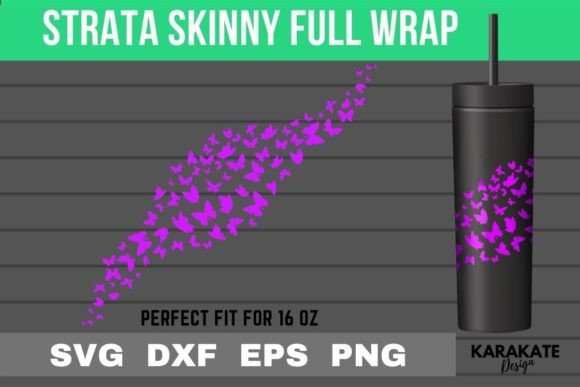
The Butterfly Wave is delivered in high-resolution files (300 DPI) with a transparent background, which is great for digital mockups and printable previews. The inclusion of SVG, DXF, EPS, and PNG formats ensures compatibility with most embroidery software and design tools. However, it’s worth noting that the actual stitch count and file structure aren’t specified, so users should verify these details before proceeding.
From a handmade product perspective, the Butterfly Wave offers a good balance between visual appeal and ease of use. It’s suitable for both personal projects and commercial sales, making it a valuable asset for Etsy sellers or small shop owners looking to expand their offerings.
Practical Designer Notes for Butterfly Wave
- Test on scrap fabric: Before using the Butterfly Wave on a finished project, always test it on scrap fabric to ensure it stitches cleanly and looks as expected.
- Check thread color contrast: Choose thread colors that provide good visibility against the fabric. Dark fabrics may require lighter threads for better definition.
- Review stitch density: Ensure the design doesn’t have overly dense areas that could cause tension issues or breakage during stitching.
- Confirm hoop size: The Butterfly Wave may need a larger hoop depending on the size of the design. Always measure and double-check before starting.
- Inspect small details: Pay close attention to corners and edges to ensure they’re clean and well-defined.
- Test in black and white: This helps identify any potential issues with contrast or clarity before finalizing the design.
- Use proper stabilizer: Especially on thin or stretchy fabrics, a quality stabilizer can make all the difference in the final result.
- Consider licensing: If you plan to sell finished products or digital assets, confirm the licensing terms before using the Butterfly Wave.
Final Thoughts on Butterfly Wave
The Butterfly Wave is a thoughtful, well-crafted design that offers a blend of elegance and practicality. It’s a versatile choice for a wide range of embroidery projects, from custom apparel to personalized gifts. While it has some limitations, particularly when used on certain fabrics or in specific contexts, these can be mitigated with careful preparation and attention to detail.
As an experienced designer, I would recommend the Butterfly Wave to those looking for a design that balances artistry with usability. Whether you're running a craft business, selling on Etsy, or simply creating handmade items for loved ones, this design has the potential to elevate your projects with its refined and graceful presence.